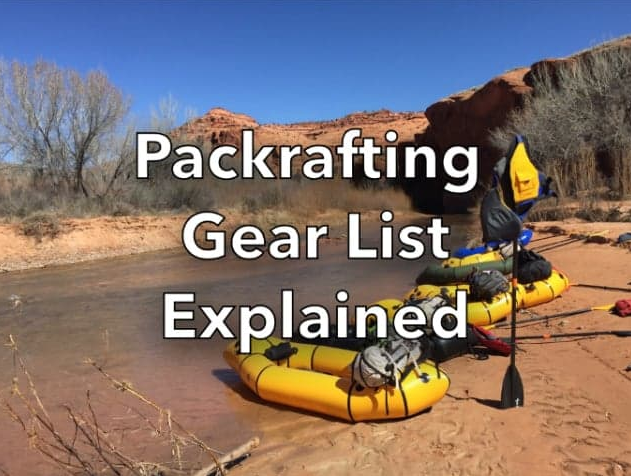
Combining Hiking and Water Exploration With the Right Gear
Packrafting combines two outdoor adventures into one experience: backpacking through remote landscapes and traveling waterways by lightweight inflatable boat.
Unlike traditional backpacking, packrafting requires equipment that performs well both on land and water. The ideal setup needs to balance hiking efficiency, flotation safety, weather protection, and keeping essential gear completely dry.
This gear list is designed for multi-day packrafting trips, especially routes that include several days of hiking combined with river travel. It focuses on spring and shoulder-season conditions where temperatures can change quickly, with cold mornings, rain, wind, and occasional warm weather.
The setup is primarily intended for calm rivers up to around Class II difficulty. The goal is to extend backpacking opportunities through water access rather than focus on technical whitewater adventures.
Most trips using this type of gear last around five to seven days, although small adjustments can make the system suitable for shorter or longer journeys.
Hiking Clothes
Lightweight Clothing for Trail and River Travel
| Item | Purpose | Weight |
|---|---|---|
| Merino/Synthetic Long Sleeve Shirt | Warm when wet, breathable, quick drying | 5.6 oz |
| Sun Protection Cap | Adjustable protection from strong sunlight | 2.8 oz |
| Lightweight Trail Running Shoes | Suitable for hiking and boating | 22.4 oz |
| Polarized Sunglasses | Reduces water glare | 3.8 oz |
| Carbon Trekking Poles | Stability and durability | 16.3 oz |
| Cushion Hiking Socks | Long-lasting comfort | 3.4 oz |
| Quick Dry Hiking Shorts | Lightweight trail clothing | 3.4 oz |
| Boxer Briefs | Fast drying comfort | 2.9 oz |
| Lightweight Gaiters | Keeps debris away | 1.1 oz |
| Sun Gloves | Protects hands from UV exposure | 0.8 oz |
Packrafting trips usually begin with hiking, so clothing should work equally well on trails and rivers.
The best approach is choosing lightweight, quick-drying layers that can handle getting wet. Unlike traditional boating setups, packrafting gear needs to remain efficient while carrying a full backpack.
A merino wool and synthetic blend shirt provides warmth during colder conditions while maintaining breathability during warmer hiking sections.
Trail-running shoes are often preferred because they dry quickly after river crossings and are lighter than traditional hiking boots. Shoes should provide enough support for carrying heavier loads.
Polarized sunglasses are especially important on water because sunlight reflecting from rivers can create intense glare. A retention strap is also useful because losing sunglasses in moving water is common.
Backpack System
Durable Packs Designed for Heavy Loads
| Item | Purpose | Weight |
|---|---|---|
| Seek Outside Divide 4500 Backpack | Comfortable heavy-load carrying | 55 oz |
| Waterproof Pack Liner | Keeps equipment dry | 1.8 oz |
A packrafting backpack needs different characteristics than a normal ultralight hiking pack.
Important features include:
Comfort Under Heavy Loads
Packrafting equipment adds significant weight. A comfortable suspension system is more important than saving a few ounces.
Gear Attachment Options
The backpack should handle unusual items such as:
- Inflatable raft
- Paddle
- Personal flotation device
- Helmet
- Dry bags
Water Resistance
A packrafting pack should resist water because accidental swims and boat flips are always possible.
A waterproof liner is essential. Pack covers are less reliable because water can still enter during a complete dunk.
Keeping sleeping gear, clothing, electronics, and food inside a dry liner provides much better protection.
Shelter
Lightweight and Flexible Camp Protection
| Item | Purpose | Weight |
|---|---|---|
| Lightweight Tarp Shelter | Simple and modular protection | 5.2 oz |
| Durable Stakes | Reliable anchoring | 0.5 oz each |
Packrafting shelters should be simple, flexible, and easy to set up after arriving wet and tired.
A tarp-style shelter offers several advantages:
- Quick setup
- Lower weight
- Easier drying of wet equipment
- More usable space during storms
A shelter without zippers is often preferred because packrafting frequently involves sandy beaches and river environments. Sand can damage zipper systems over time.
Long guylines are also valuable because many campsites have loose sand or rocky ground where normal stakes may not hold.
Durable Y-shaped stakes work better than lightweight ultralight stakes in difficult terrain.
Sleeping System
Comfortable Sleep After Long Days
| Item | Purpose | Weight |
|---|---|---|
| Bug Bivy | Separate sleeping area | 6.8 oz |
| 20°F Lightweight Quilt | Three-season warmth | 23.2 oz |
| Insulated Sleeping Pad | Comfort and insulation | 16 oz |
| Inflatable Pillow | Better recovery | 2.1 oz |
A good sleeping system is essential because packrafting days can involve both long hikes and hours of paddling.
A separate sleeping area helps prevent moisture problems. If a tarp becomes wet from rain or condensation, the sleeping system can remain protected.
A quality three-season quilt provides warmth without unnecessary weight. For most spring and summer trips, a 20°F (-6°C) rated quilt offers a good balance.
A wider sleeping pad improves comfort, especially after carrying heavier loads. Extra sleeping comfort can make a significant difference during multi-day adventures.
Cooking System
Lightweight Kitchen Setup
| Item | Purpose | Weight |
|---|---|---|
| Titanium Cooking Pot | Lightweight and durable | 4.4 oz |
| Spork | Simple eating utensil | 0.6 oz |
| MSR PocketRocket Deluxe Stove | Better performance in wind | 3 oz |
| Wide Mouth Bottle | Hot drinks and trail use | 3.2 oz |
Cooking systems for packrafting are similar to traditional backpacking setups, but wind resistance becomes more important.
Many campsites are located along exposed beaches or riverbanks with little natural shelter. A stove that performs well in windy conditions can save fuel and reduce frustration.
Simple meals work best for multi-day trips:
- Oatmeal
- Pasta
- Rice dishes
- Dehydrated meals
- Soup
- Hot drinks
A lightweight titanium pot provides enough capacity while keeping pack weight manageable.
Electronics and Navigation
Communication and Safety Equipment
| Item | Purpose | Weight |
|---|---|---|
| Smartphone | Navigation and photography | 5.4 oz |
| Satellite Communicator | Emergency communication | 3.6 oz |
| Rechargeable Headlamp | Night hiking and camp use | 3.6 oz |
| Small Power Bank | Charging electronics | 2.5 oz |
Electronics for packrafting are similar to normal backpacking, but water protection becomes much more important.
A smartphone can handle:
- GPS navigation
- Route tracking
- Photography
- Emergency communication apps
A satellite messenger is strongly recommended for remote rivers where cell service is unavailable.
All important electronics should be stored inside waterproof bags or dry containers. Even experienced paddlers can end up swimming unexpectedly.
Water Storage and Treatment
Managing River Water Safely
| Item | Purpose | Weight |
|---|---|---|
| Lightweight Water Bottle | Water storage | 1.4 oz |
| Water Treatment Drops | Chemical purification | 3.3 oz |
| Folding Bucket | Settling muddy water | 2.8 oz |
| Gravity Filter System | Group water filtration | 11.5 oz |
Water management depends heavily on the environment.
In desert regions, rivers can contain large amounts of sediment, sand, and natural debris. Filtering directly from muddy water can quickly damage filtration systems.
A better method is:
- Collect water in a bucket
- Allow sediment to settle
- Filter clearer water from the top
Chemical treatment drops are useful when water is already clear.
For group trips, carrying a larger gravity filter can improve efficiency, while individual travelers can usually rely on lighter systems.
Always check local regulations, especially in protected areas.
Boating Clothing
Staying Warm and Dry on the River
| Item | Purpose | Weight |
|---|---|---|
| Waterproof Jacket | Wind and splash protection | 11.8 oz |
| Rain Pants | Keeps legs warm and dry | 5.4 oz |
| Lightweight Thermal Hoodie | Extra insulation | 7.8 oz |
| Waterproof Gloves | Protects hands while paddling | 1.8 oz |
| Dry Suit (Cold Conditions) | Full water protection | 53.7 oz |
Boating clothing is one of the most important parts of a packrafting system.
Even when temperatures are comfortable on land, sitting in a boat for hours can quickly lead to cooling, especially with:
- Wind
- Rain
- Cold water
- Reduced movement
A waterproof jacket is essential. It protects against splashes and blocks wind during long floating sections.
Rain pants are often more useful than wetsuits for backpacking-focused packrafting. Wetsuits keep warmth in water but can become uncomfortable once exposed to wind while sitting still.
Waterproof gloves are another important item. Cold, wet hands can quickly reduce comfort and paddling ability.
When Is a Dry Suit Necessary?
A dry suit can provide excellent protection during cold-weather packrafting, but the additional weight is significant.
A dry suit may be worth carrying when:
- Air temperatures are below 50°F (10°C)
- Water temperatures are very cold
- Swimming risk is high
- The route contains technical sections
For warmer trips with more hiking and less water exposure, lighter rain gear is often the better choice.
Cold-water safety should always be prioritized:
- Avoid unnecessary risks
- Portage difficult sections when needed
- Carry emergency insulation
- Monitor group members for signs of hypothermia
Camp Clothing and Sleeping Layers
| Item | Purpose | Weight |
|---|---|---|
| Thermal Bottoms | Warm camp layer | 4.8 oz |
| Lightweight Down Jacket | Insulation layer | 8.7 oz |
| Gloves | Cold-weather comfort | 2.2 oz |
| Warm Hat | Camp and sleeping use | 1.8 oz |
Camp clothing does not need to be complicated.
The priority is having dry insulation available after a wet day.
A lightweight down jacket provides excellent warmth for its weight, while thermal layers help maintain comfort during colder evenings.
Changing into dry clothing at camp improves recovery and reduces the risk of staying cold overnight.
Accessories and Safety Gear
| Item | Purpose |
|---|---|
| First Aid Kit | Medical emergencies |
| Toothbrush and Hygiene Items | Personal care |
| Sunscreen | UV protection |
| Trowel | Leave No Trace practices |
| Waste Bags | Required on some rivers |
| Compass | Backup navigation |
| Small Knife | Repairs and daily tasks |
| Repair Kit | Raft maintenance |
Packrafting requires several items that are not always needed on regular backpacking trips.
Many rivers require human waste to be packed out using approved waste bags.
Some waterways also require fire pans or additional environmental protection equipment. Always research local regulations before departure.
A small repair kit is essential. Basic repairs may include:
- Patching small raft leaks
- Fixing straps
- Repairing damaged equipment
A lightweight knife with scissors can be especially useful for cutting repair materials.
Packraft and Boating Equipment
Choosing the Right Boat Setup
| Item | Purpose | Weight |
|---|---|---|
| Lightweight Packraft | River transportation | 51 oz |
| Personal Flotation Device | Water safety | 13 oz |
| Carbon Paddle | Efficient paddling | 30.7 oz |
For Class I–II rivers, lightweight packrafts are ideal because they balance portability and performance.
The best packraft depends on the trip style:
Hiking-Focused Trips
Choose:
- Lighter boats
- Smaller packed size
- Lower carrying weight
Water-Focused Trips
Choose:
- More stability
- Better protection
- Additional features
A personal flotation device is essential even on calm rivers. Safety equipment should never be removed simply to reduce weight.
Carbon paddles provide a good balance between strength, efficiency, and weight. Extremely lightweight paddles can sacrifice durability.
Final Thoughts
Packrafting expands the possibilities of traditional backpacking by connecting landscapes that would otherwise be difficult to explore.
The ideal gear system is not simply the lightest possible setup. It is a carefully balanced combination of:
- Reliable waterproof storage
- Comfortable backpack carrying ability
- Weather protection
- River safety equipment
- Efficient camping gear
Successful packrafting trips require preparation for both environments: the trail and the water.
With the right equipment, a backpacking route can become a much larger adventure—combining hiking, paddling, and exploration into one unforgettable journey.
Packrafting Gear Checklist Summary
Essential Gear:
✅ Lightweight packraft
✅ Paddle and PFD
✅ Waterproof pack liner
✅ Reliable shelter
✅ Insulated sleeping system
✅ Waterproof clothing
✅ Navigation tools
✅ Water treatment system
✅ Repair kit
✅ Emergency communication device
Packrafting is ultimately about expanding where backpacking can go. With thoughtful gear choices and proper preparation, rivers become another trail system waiting to be explored.