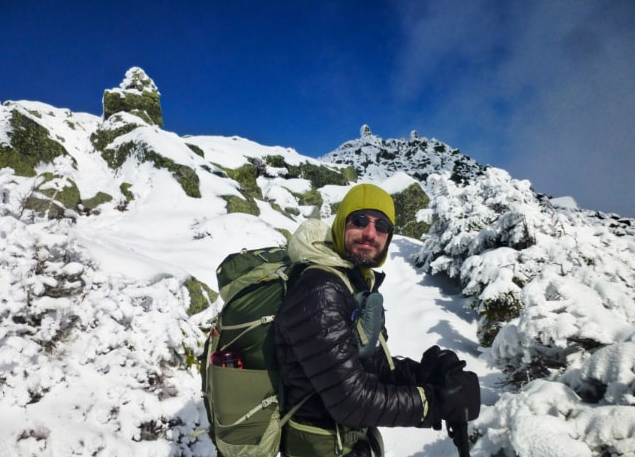
A Complete Cold Weather Hiking Setup Guide
Winter hiking in the mountains of New Hampshire, Vermont, and Maine requires equipment that can handle constantly changing conditions.
Unlike summer hiking, winter conditions can shift dramatically within hours. A clear morning can quickly become a freezing, windy afternoon with snow, ice, or freezing rain.
A reliable winter hiking system needs to protect against:
- Extreme temperature changes
- Strong mountain winds
- Snow and ice conditions
- Wet weather
- Long periods of inactivity during breaks or emergencies
Typical winter conditions in the Northeast include:
Temperature Range
- Around 40°F on warmer winter days
- Below 0°F during extreme cold
Wind
- Strong exposed ridge winds
- Wind chill that can rapidly reduce body temperature
Weather
- Snow
- Freezing rain
- Sleet
- Freezing fog
- Cold rain
Trail Conditions
- Deep snow
- Packed snow trails
- Bare rock
- Frozen ground
- Ice-covered surfaces
The key to staying comfortable and safe is choosing versatile layers and adjusting clothing before sweating begins.
Winter Layering System
The Importance of Managing Body Temperature
Winter hiking requires constant temperature management.
The goal is simple:
Stay warm without sweating.
Moisture is dangerous in cold environments because damp clothing loses insulation quickly when movement stops.
A good winter layering system allows hikers to:
- Add insulation during breaks
- Remove layers during climbs
- Protect against wind and precipitation
- Stay dry throughout the day
A typical winter hiking outfit may include:
- Wool or synthetic base layer
- Fleece mid-layer
- Softshell or waterproof pants
- Waterproof shell jacket
- Insulated boots
- Warm socks
- Gloves
- Hat
- Gaiters
After warming up during the first part of the hike, many hikers remove their outer shell or open ventilation areas to prevent overheating.
Winter Day Hiking Gear Checklist
Footwear
Winter footwear is one of the most important parts of a cold-weather hiking system.
Recommended:
- Insulated hiking boots
- Warm wool socks
- High gaiters
Winter boots should provide:
- Insulation
- Waterproof protection
- Compatibility with traction devices
- Enough room for warm socks
Insulation Guide
200g insulation boots
- Suitable for moderate winter conditions
- Around 10–20°F temperatures
400g insulation boots
- Better for colder conditions
- Suitable down to around -20°F when moving
Popular options include:
- Oboz Bridger insulated boots
- KEEN insulated winter boots
- Columbia Bugaboot series
Avoid oversized pack boots designed mainly for standing around. They are often less comfortable for long-distance hiking and may not work well with microspikes or snowshoes.
Winter Socks and Gaiters
Warm Socks
Winter socks should provide insulation without restricting circulation.
Good choices:
- Merino wool hiking socks
- Expedition-weight wool socks
- Mountaineering socks
Avoid overly tight footwear. Extra space allows toes to move and improves blood circulation.
High Gaiters
High gaiters help:
- Keep snow out of boots
- Protect socks from moisture
- Add warmth around the lower legs
- Prevent crampon damage to clothing
Look for:
- Durable fabric
- Secure closures
- Velcro or snap systems
Avoid zipper-only designs because snow, ice, and repeated use can damage them.
Hats and Face Protection
A winter hiking system should include multiple head layers.
Recommended:
Lightweight Hat
Used during high-output hiking.
Materials:
- Merino wool
- Synthetic fleece
Heavy Winter Hat
Used during:
- Rest breaks
- Cold weather
- Lower activity periods
Additional options:
- Neck gaiter
- Buff-style face covering
- Fleece headband
For exposed mountain ridges, extra face protection may be required.
Winter Gloves System
Hands are one of the first areas affected by cold.
A reliable system should include:
- Lightweight gloves
- Waterproof shell mitts
- Insulated liners
A modular glove system works best because it allows temperature adjustment.
Recommended setup:
Inner layer
- Fleece gloves
- Wool gloves
- Synthetic insulated liners
Outer layer
- Waterproof mitten shell
Mittens provide more warmth, while gloves provide better dexterity.
Carry extra gloves because wet gloves lose warmth quickly.
Insulated Winter Jacket
Puffy Jacket for Breaks
A warm insulated jacket is essential because body temperature drops quickly when stopping.
A winter hiking jacket should:
- Have a hood
- Provide strong insulation
- Fit over other layers
- Be warm enough for emergencies
Good options include:
- 850-fill down jackets
- Expedition-style insulated parkas
- Synthetic insulated jackets
Lightweight three-season jackets are usually not enough for severe winter conditions.
Waterproof Shell Jacket
A waterproof shell protects against:
- Wind
- Snow
- Rain
- Freezing precipitation
Important features:
- Adjustable hood
- Waterproof fabric
- Breathable construction
- Ventilation zippers
- Multiple pockets
A shell jacket does not provide insulation. Its job is to protect the insulation layers underneath.
Winter Hiking Pants
Waterproof Shell Pants
Hard-shell pants provide:
- Wind protection
- Waterproof protection
- Snow protection
Useful features:
- Full-length side zippers
- Boot-compatible openings
- Adjustable waist
These are especially useful during:
- Heavy snowfall
- Strong winds
- Wet conditions
Softshell Pants
Many winter hikers prefer softshell pants because they are:
- More breathable
- More comfortable
- Warmer than waterproof shells
Softshell pants work well during active hiking but should be paired with waterproof pants for severe weather.
Base Layers
Base layers should always be:
- Wool
- Synthetic
Avoid cotton because it absorbs moisture and dries slowly.
A good base layer system includes:
- Long sleeve shirt
- Thermal underwear
- Synthetic underwear
Popular materials:
- Merino wool
- Polyester blends
- Technical synthetic fabrics
The goal is moving sweat away from your skin before it cools.
Mid-Layer Insulation
The mid-layer provides warmth while allowing moisture movement.
Common choices:
- Fleece jackets
- Fleece hoodies
- Synthetic insulated layers
- Lightweight softshell jackets
Popular options:
- Patagonia R1 fleece systems
- Polartec Alpha insulation
- Lightweight technical fleece jackets
A good mid-layer should work while hiking and during colder stops.
Winter Traction Aids
Choosing the Right Traction for Snow and Ice
Winter trails in New Hampshire, Vermont, and Maine can change dramatically depending on recent weather.
A single hike may involve:
- Packed snow
- Hard ice
- Loose powder
- Frozen rocks
- Steep icy sections
The right traction equipment improves safety and reduces fatigue.
Microspikes
Microspikes are the most commonly carried winter traction device.
They are useful for:
- Packed snow trails
- Moderate ice
- Frozen paths
Most winter hikers carry microspikes because they are lightweight and easy to use.
Recommended options:
- Kahtoola Microspikes
- Hillsound Trail Crampons
Crampons
Crampons are designed for more technical terrain.
They provide stronger traction on:
- Steep ice
- Mountaineering routes
- Frozen alpine terrain
They require more experience and proper technique.
For advanced winter hiking, consider:
- Mountaineering crampons
- Ice axe training
- Winter climbing instruction
Snowshoes
Snowshoes are necessary when trails are covered with deep, soft snow.
They provide flotation and prevent sinking.
Look for:
- Strong frames
- Reliable bindings
- Heel lifts for climbing
Recommended models:
- MSR Lightning Ascent
- MSR Evo Ascent
- Tubbs Flex VRT
Trail conditions often determine whether snowshoes are needed, so always check recent reports before departure.
Water System for Winter Hiking
Preventing Frozen Water
Hydration becomes more challenging in freezing temperatures.
Avoid hydration reservoirs during winter because hoses can freeze quickly.
A better option:
- Two or three wide-mouth 1-liter bottles
Wide-mouth bottles are easier to open and less likely to freeze shut.
Recommended:
- Insulated bottle sleeves
- Neoprene bottle covers
- Wide-mouth insulated bottles
Helpful winter tips:
- Store bottles upside down when carried outside your pack
- Fill bottles with warm water before hiking
- Keep bottles inside your backpack when possible
Staying hydrated is just as important in winter as summer because cold air and heavy layers increase fluid loss.
Winter Day Hiking Backpack
Choosing the Right Pack Size
Winter hiking requires more equipment than three-season hiking.
A good winter daypack should usually be:
35–50 liters
Extra capacity is needed for:
- Additional clothing
- Emergency gear
- Food
- Water
- Traction devices
Important backpack features:
- Strong frame
- Side compression straps
- External attachment points
- Snowshoe carrying capability
- Gear loops
Traction devices often add several pounds, so a supportive frame is important.
Recommended winter hiking packs:
- Osprey Mutant 38
- REI Traverse 35
- Osprey Kestrel 38
- Hyperlite Mountain Gear Ice Pack 40
- Osprey Talon 44
Winter Hiking Ten Essentials
The traditional Ten Essentials become even more important in winter because conditions can become dangerous quickly.
Navigation
Carry:
- Map
- Compass
- GPS device or phone navigation
Winter storms can hide:
- Trail markers
- Landmarks
- Familiar terrain
Never rely only on electronic navigation.
Lighting
Carry:
- Reliable headlamp
- Extra batteries or backup light
Use lithium batteries because they perform better in cold temperatures.
A second headlamp is useful during short winter daylight hours.
Emergency Supplies
Essential items:
- First aid kit
- Fire starter
- Multi-tool
- Gear repair supplies
- Emergency blanket
- Whistle
A plastic whistle is preferable because metal whistles can freeze to skin in extreme cold.
Food and Snacks
Bring high-energy foods that do not freeze easily.
Good winter options:
- Energy bars designed for cold weather
- Nuts
- Chocolate
- Trail mixes
- Peanut butter packets
Your body burns more calories in cold conditions, so carrying extra food is important.
Emergency Winter Survival Gear
Preparing for Unexpected Situations
Winter hiking requires more self-sufficiency than summer hiking.
If hiking alone or entering remote terrain, consider carrying:
- Lightweight sleeping bag
- Sleeping pad
- Emergency bivy sack
- Stove system
- Extra insulation
These items can help prevent hypothermia if an injury or unexpected delay forces an overnight stay.
A basic emergency sleep system may include:
- 20°F sleeping bag
- Closed-cell foam sleeping pad
- Lightweight emergency shelter
When hiking with a group, survival equipment can be distributed among members.
Winter Stove and Snow Melting
In an emergency, melting snow may become necessary.
A reliable system includes:
- Stove
- Fuel
- Cooking pot
Liquid fuel stoves perform well in extreme cold.
Canister stoves can also work if the fuel is kept warm.
Remember:
Snow contains little water by volume, so melting enough water requires significant fuel.
Hydration is critical because dehydration increases the risk of hypothermia.
Extra Gear for Above-Treeline Winter Hiking
Preparing for Exposed Mountains
Above treeline conditions are much more severe than forest hiking.
Common hazards:
- Extreme wind
- Blowing snow
- Reduced visibility
- Ice exposure
- Rapid temperature drops
Additional equipment may include:
Face Protection
Recommended:
- Balaclava
- Full face mask
- Neck protection
Eye Protection
Carry:
- Snow goggles
- Glacier-style sunglasses
Snow glare and blowing ice can damage eyes and reduce visibility.
Technical Winter Equipment
For advanced routes:
- Mountaineering crampons
- Ice axe
- Avalanche safety equipment
Avalanche gear may include:
- Beacon
- Probe
- Shovel
These tools require proper training before use.
Winter Hiking Safety Tips
Manage Sweat
The biggest winter mistake is overheating.
Remember:
- Remove layers before sweating
- Open vents during climbs
- Change wet clothing quickly
Dry clothing is one of the most valuable safety tools in winter.
Check Conditions Before Leaving
Always review:
- Weather forecasts
- Trail conditions
- Wind speeds
- Avalanche information when relevant
Mountain conditions can differ dramatically from nearby towns.
Carry More Than You Think You Need
Winter conditions can change quickly.
Extra items such as:
- Gloves
- Food
- Warm layers
- Emergency insulation
can make the difference between discomfort and a serious situation.
Final Thoughts
Winter hiking in New Hampshire, Vermont, and Maine offers incredible scenery but requires careful preparation.
The best winter hiking gear system balances:
- Warmth
- Weather protection
- Mobility
- Safety
- Reliability
The most important equipment includes:
✅ Insulated boots
✅ Warm layering system
✅ Waterproof shell clothing
✅ Gloves and extra hand protection
✅ Microspikes or snowshoes
✅ Reliable navigation tools
✅ Emergency insulation
✅ Proper winter backpack
Winter hiking is not about carrying the lightest possible setup. It is about carrying the right equipment to handle unpredictable conditions.
With thoughtful preparation and the correct gear, cold-weather hiking becomes safer, more comfortable, and far more rewarding.