A Complete Gear Guide for One of the UK’s Classic Long-Distance Trails
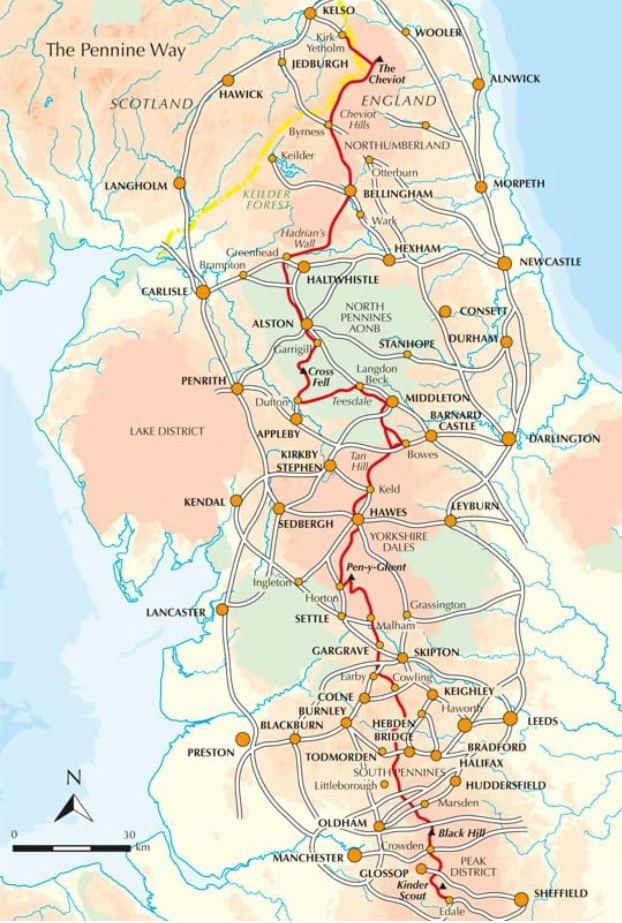
The Pennine Way is one of the most iconic long-distance hiking routes in the United Kingdom. Stretching approximately 270 miles (435 km) from Edale in England to Kirk Yetholm in Scotland, the trail crosses some of the country’s most dramatic landscapes, including the Peak District, Yorkshire Dales, North Pennines, and Scottish Borders.
For hikers planning a south-to-north thru-hike, the route offers a unique mix of rugged terrain, remote moorlands, challenging weather, and historic villages. Unlike many heavily developed trails, the Pennine Way still provides a sense of adventure, requiring hikers to make decisions based on weather, terrain, and personal endurance.
A typical hike takes around three weeks, especially when allowing time for resupply, rest days, and possible extensions such as St Cuthbert’s Way or connections toward Scotland’s longer-distance routes.
May and June are popular months for tackling the trail because of longer daylight hours, although hikers should still prepare for unpredictable British weather.
Packing System
Backpack Setup
Main Pack
| Gear | Weight |
|---|---|
| Hyperlite Mountain Gear Southwest 55 Backpack | 29.3 oz |
| Exped 42L Schnozzel Dry Bag / Pack Liner | 2 oz |
| Shoulder Strap Pocket | 1.4 oz |
| Zpacks Travel Utility Zip | 0.9 oz |
| Stuff Sacks | 4 oz |
A lightweight but durable 50–60L backpack works well for the Pennine Way. Although resupply opportunities exist along the route, hikers need enough capacity for wet-weather equipment, warm layers, and several days of food.
A waterproof pack liner is highly recommended. The Pennine Way is known for frequent rain, muddy sections, and wet ground conditions, making keeping gear dry a priority.
A small travel pouch is also useful for organizing passports, money, electronics, and other important items during international trips.
Shelter and Sleep System
Tent and Sleeping Gear
| Gear | Weight |
|---|---|
| Durston X-Mid 1 Tent | 25.7 oz |
| Therm-a-Rest Vesper 20 Quilt | 20 oz |
| Sea to Summit Ether Light XT Sleeping Pad | 16.6 oz |
| Sea to Summit Aeros Pillow | 2.6 oz |
| Therm-a-Rest Z Lite Pad Section | 3.4 oz |
| Stakes and Extra Cordage | 4 oz |
The Pennine Way is exposed, with many sections crossing open moorlands where strong winds and rain are common. A reliable shelter system is essential.
A lightweight trekking tent with good wind resistance is preferred over an ultralight shelter designed mainly for calm conditions. Darker-colored tents can also be advantageous for discreet camping because they blend better into the landscape.
A warm sleeping quilt or sleeping bag rated around 20°F (-6°C) provides a good balance of comfort and weight. Even during late spring and early summer, temperatures can drop significantly at higher elevations.
A sleeping pad with strong insulation is especially valuable because many campsites are located on cold, damp ground.
Clothing System
Additional Clothing Carried
| Gear | Weight |
|---|---|
| Grid Fleece Beanie | 1 oz |
| Lightweight Rain Pants | 3.8 oz |
| Insulated Anorak | 9 oz |
| Waterproof Rain Jacket | 9.4 oz |
| Windshell Jacket | 5 oz |
| Waterproof Gloves | 1.8 oz |
| Extra Base Layers | Various |
| Hiking Socks (3 pairs) | 11.1 oz |
| Wool Jersey | 7.1 oz |
| Long Underwear | 5.1 oz |
| Insect Head Net | 0.8 oz |
Weather protection is one of the biggest considerations on the Pennine Way. Rain, wind, and temperature changes are common, so a flexible layering system is more important than carrying heavy insulation.
Extra socks are recommended because wet conditions can make drying difficult. Having dry socks available at camp improves comfort and reduces the risk of foot problems.
Lightweight waterproof gloves are also useful. Traditional outdoor gloves often struggle in prolonged rain, while waterproof work-style gloves can provide excellent protection at a lower cost.
Because the trail passes through grasslands and moor areas, ticks and insects can be a concern. Long pants, treated clothing, and an insect head net can improve comfort during warmer months.
Electronics and Navigation
Communication and Route Finding Gear
| Gear | Weight |
|---|---|
| Garmin inReach Mini 2 | 3.5 oz |
| Smartphone with Protective Case | 9.4 oz |
| USB-C Headphones | 0.4 oz |
| Mini Tripod | 2.9 oz |
| UK USB-C Charger | 3.9 oz |
| USB-C Cable | 1.9 oz |
| 10,000 mAh Power Bank | 7.6 oz |
| Nitecore Headlamp | 2.1 oz |
| Compass | 1.5 oz |
| Harvey Pennine Way Maps | 3 oz |
Navigation is an important part of hiking the Pennine Way. Although the route is signposted, weather conditions, fog, and remote terrain can make route finding challenging.
Most hikers combine digital navigation with traditional maps. Offline mapping apps allow access to GPS routes even without mobile service, while printed maps provide a reliable backup.
A satellite communication device is also valuable for longer sections away from towns. Emergency communication, weather updates, and check-in messages provide additional safety during remote hiking.
For charging, a compact power bank paired with a lightweight USB-C charger is usually enough. Many hikers recharge devices in cafes, pubs, accommodations, or trail towns along the route.
Keeping a phone in low-power mode or airplane mode can significantly extend battery life.
Water and Cooking System
Hydration and Kitchen Gear
| Gear | Weight |
|---|---|
| 2L Water Reservoir | 1.3 oz |
| Lightweight Water Bottle | 3.75 oz |
| Platypus QuickDraw Filter | 2.1 oz |
| Food Bag | 1.1 oz |
| Long Handle Spoon | 1.2 oz |
| MSR PocketRocket Deluxe Stove | 2.9 oz |
| Titanium Cooking Pot | 3.9 oz |
Water availability is generally good throughout the Pennine Way. Streams, rivers, and natural water sources are common, allowing hikers to avoid carrying large amounts of water.
A lightweight filter system is recommended because water sources can vary in quality, especially near farmland.
A compact stove setup is ideal for this trail. Many hikers prepare simple meals such as noodles, oats, soup, pasta, and dehydrated foods.
Fuel availability requires some planning. Gas canisters are easier to find in larger towns, so carrying enough fuel between resupply points is important.
Personal Care
Hygiene and Small Essentials
| Gear | Weight |
|---|---|
| Titanium Trowel | 0.5 oz |
| First Aid and Toiletries | 7.8 oz |
| Lightweight Towel | 2.8 oz |
A small personal-care kit is usually sufficient for the Pennine Way.
Essential items include:
- Basic first aid supplies
- Blister treatment
- Sunscreen
- Small hygiene items
- Medication
- Repair tape
A lightweight towel is a useful comfort item, especially for hikers using campsites, hostels, or public facilities along the route.
Even when wild camping, a small towel makes it easier to stay comfortable after rain, stream crossings, or washing outdoors.
Clothing Worn During Hiking
Trail Clothing Setup
| Gear | Weight |
|---|---|
| Carbon Trekking Poles | 21.1 oz |
| Sun/Rain Cap | 2.1 oz |
| Lightweight Alpha Hoodie | 5.1 oz |
| Hiking Shirt | 6.3 oz |
| Hiking Socks | 3.7 oz |
| Gaiters | 1.4 oz |
| Lightweight Gloves | 1.3 oz |
| Boxer Shorts | 2.8 oz |
| Hiking Pants | 8.1 oz |
| Belt | 2.5 oz |
| Altra Lone Peak Trail Shoes | 23 oz |
The Pennine Way contains a mixture of grassy paths, rocky sections, muddy trails, and steep climbs. Trail runners are popular because they dry faster than traditional hiking boots and reduce overall pack weight.
Gaiters can be helpful for muddy sections and wet vegetation. Trekking poles are also highly recommended because they improve stability on slippery ground and reduce strain during long climbs and descents.
Total Pack Weight
The complete setup comes in at approximately:
- Base weight: around 15 pounds
- Skin-out weight (without consumables): around 20 pounds
This weight represents a balanced approach rather than an extreme ultralight setup.
The Pennine Way rewards hikers who prioritize durability, weather protection, and comfort. Carrying slightly more weight for reliable rain gear, warmer layers, and a stronger shelter can make the journey much more enjoyable.
Pennine Way Hiking Conditions: What to Expect
Weather
The Pennine Way is famous for unpredictable weather.
Expect:
- Frequent rain
- Strong winds
- Muddy trails
- Sudden temperature changes
- Fog on exposed sections
Even during May and June, temperatures may range from cool mornings to warmer afternoons. Proper layering is essential.
Water and Resupply
The route passes through enough towns and villages that hikers usually do not need to carry large food supplies.
Most hikers resupply every few days with:
- Grocery stores
- Cafes
- Pubs
- Outdoor shops
Water is generally easy to find, but filtering is recommended.
Navigation Challenges
Although the Pennine Way is officially marked, signs can become difficult to follow in poor weather.
Common challenges include:
- Fog
- Open moorlands
- Multiple intersecting paths
- Poor visibility
A GPS route, offline maps, and a physical map provide the safest combination.
Camping Considerations
Camping rules differ between England and Scotland.
In Scotland, responsible wild camping is widely accepted under access laws.
In England, wild camping is technically more restricted, although many hikers camp discreetly and responsibly along suitable sections or use official campsites.
Good practices include:
- Camp late
- Leave early
- Avoid sensitive areas
- Leave no trace
- Respect local landowners
Final Thoughts
The Pennine Way is not just a long-distance hike; it is a journey through some of Britain’s most dramatic landscapes.
The trail combines remote moorlands, historic villages, challenging weather, and rewarding mountain scenery. A successful thru-hike depends less on carrying the lightest possible gear and more on choosing equipment that performs well in wet, windy, and unpredictable conditions.
A reliable shelter, waterproof clothing, comfortable footwear, and efficient navigation system are the foundations of a successful Pennine Way adventure.
For hikers preparing for the 270-mile England-to-Scotland journey, this gear approach provides a practical balance between weight, durability, and comfort.
FAQ: Pennine Way Backpacking
How long does it take to hike the Pennine Way?
Most hikers complete the trail in about 16–21 days depending on pace, weather, and rest days.
What is the best time to hike the Pennine Way?
May through September is generally considered the best season. Late spring offers longer daylight hours but still requires strong rain protection.
Do you need to carry a lot of water?
No. Water sources are frequent, but filtering is recommended.
Can you camp anywhere on the Pennine Way?
Wild camping rules vary. Scotland allows more freedom, while England requires more discretion and responsible camping practices.
Is the Pennine Way suitable for beginners?
The trail is achievable for beginners with good preparation, but the weather, distance, and terrain make it a challenging first long-distance hike.