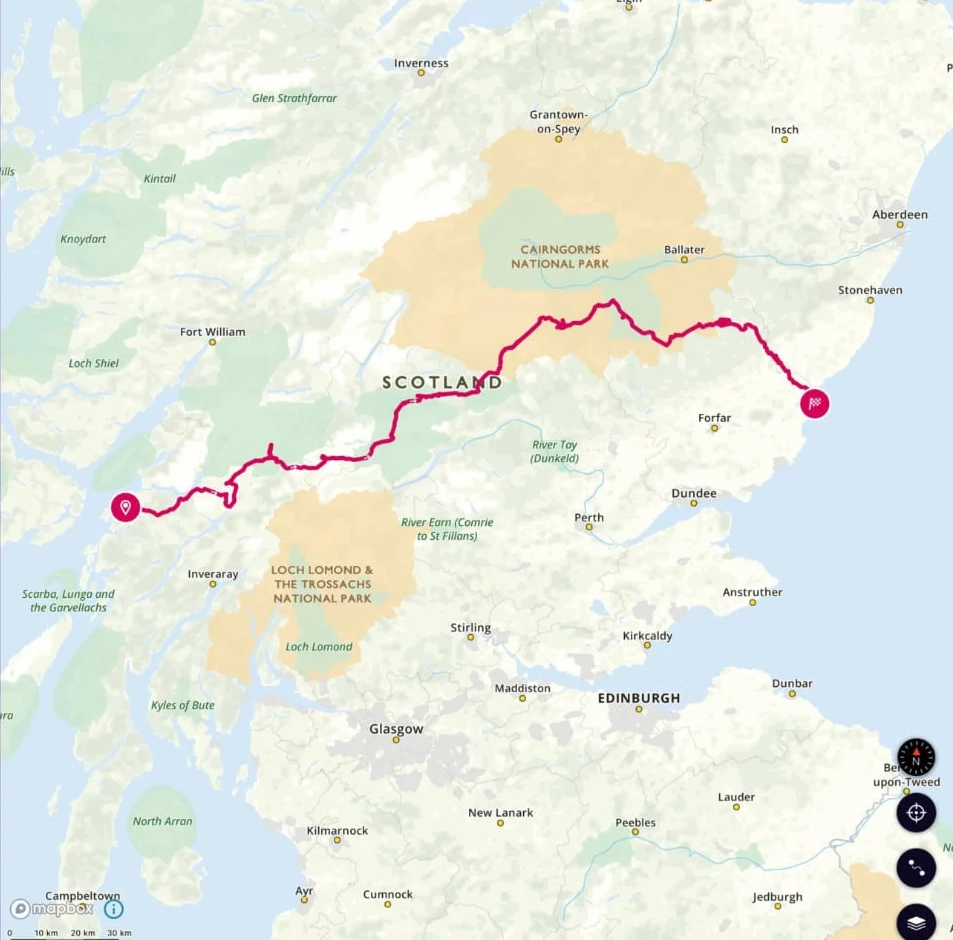
Scotland is one of the best destinations for long-distance backpacking, offering dramatic mountains, remote valleys, coastal landscapes, and the freedom to camp across much of the countryside. However, hiking conditions can change quickly. Rain, strong winds, cold temperatures, and wet terrain are common even during late spring and summer.
A well-planned gear system is essential for staying comfortable and safe. This gear list is designed for multi-day backpacking routes across Scotland, including challenging coast-to-coast journeys, remote trails, and wild camping adventures.
The goal is to create a lightweight but reliable setup that can handle:
- Frequent rain and high humidity
- Strong winds on exposed ridges
- Cold mornings and changing temperatures
- Remote terrain with limited resupply points
- Long-distance hiking with heavy food carries
Gear Overview
A lightweight Scotland backpacking setup usually focuses on:
- Waterproof protection
- Fast-drying clothing
- Reliable navigation
- Comfortable shelter
- Efficient cooking system
- Durable footwear
A typical pack weight can remain around 15–18 pounds before food and water while still providing enough protection for unpredictable mountain weather.
Backpack
A comfortable backpack is one of the most important pieces of equipment for long-distance hiking.
Recommended Features:
- 50–60 liter capacity
- Comfortable suspension system
- Waterproof liner or pack cover
- External attachment points
- Lightweight but durable materials
Popular choices include:
- Zpacks lightweight backpack models
- Hyperlite Mountain Gear packs
- Osprey long-distance hiking packs
Because Scotland has frequent rain, keeping the inside of the backpack dry is critical. A waterproof pack liner or dry bag system is often more effective than relying only on a rain cover.
Shelter and Sleeping System
Scotland’s weather makes shelter selection extremely important. A good shelter should handle wind, moisture, and condensation.
Tent Requirements:
- Strong wind resistance
- Low-profile design
- Good ventilation
- Quick setup
Double-wall tents are often preferred because Scotland’s damp climate creates significant condensation challenges.
Lightweight shelters commonly used include:
- Dyneema tents
- Four-season trekking pole tents
- Lightweight backpacking tents
Sleeping System:
A reliable sleep setup includes:
- 20°F (-6°C) sleeping bag or quilt
- Insulated sleeping pad
- Lightweight pillow
- Dry storage bag
A warm sleeping system is especially important because wet conditions can make evenings feel much colder than expected.
Navigation and Electronics
Navigation is essential in Scotland because many routes cross remote areas where trails may be unclear.
Recommended Navigation Gear:
- Smartphone with offline maps
- Paper topographic maps
- Compass
- GPS device (optional)
- Satellite communicator for remote routes
Useful mapping tools include:
- Offline hiking apps
- National mapping services
- Printed route maps
Even with modern technology, carrying a physical map and compass remains an important backup.
Cooking and Water System
Scotland has abundant water sources, but filtering is still recommended because streams may contain bacteria from livestock and wildlife.
Cooking Gear:
A lightweight kitchen setup usually includes:
- Small backpacking stove
- Fuel canister
- Titanium pot
- Long-handled spoon
- Lightweight mug
Wind-resistant stoves are useful because exposed mountain areas can experience strong gusts.
Water Equipment:
Recommended:
- Water filter
- Soft water bottles
- Backup purification tablets
Because water is widely available, most hikers only need to carry enough for several hours between sources.
Clothing System
The key to comfort in Scotland is layering.
Weather can shift from sunshine to cold rain quickly, so clothing should be adaptable.
Hiking Clothing:
Recommended:
- Moisture-wicking base layer
- Lightweight hiking pants
- Quick-drying underwear
- Merino wool or synthetic socks
- Trail shoes or lightweight boots
Avoid cotton clothing because it absorbs moisture and dries slowly.
Rain Protection
Rain gear is not optional in Scotland.
A reliable system includes:
Waterproof Jacket:
Look for:
- Waterproof breathable fabric
- Adjustable hood
- Good ventilation
- Durable construction
Waterproof Pants:
Useful for:
- Heavy rain
- Strong wind
- Wet vegetation
- Cold conditions
Rain pants also help reduce wind chill on exposed ridges.
Insulation Layers
Even in late spring, Scotland can experience cold conditions.
Recommended insulation:
- Lightweight down jacket
- Synthetic insulated jacket
- Fleece mid-layer
- Warm hat
- Lightweight gloves
A warm jacket is especially important for evenings around camp when activity levels drop.
Footwear
Scotland’s terrain is often wet, muddy, and uneven.
Many backpackers prefer lightweight trail shoes because:
- They dry quickly
- They provide good grip
- They reduce fatigue over long distances
Waterproof boots can work well in colder conditions but may stay wet longer after river crossings.
Important footwear features:
- Strong traction
- Comfortable fit
- Durable upper materials
- Good drainage
First Aid and Repair Kit
Remote hiking requires self-sufficiency.
A basic kit should include:
First Aid:
- Bandages
- Blister treatment
- Pain medication
- Allergy medication
- Antiseptic wipes
- Medical tape
Repair Supplies:
- Gear repair tape
- Small knife
- Spare cord
- Needle and thread
- Zip ties
A lightweight repair kit can prevent small equipment problems from becoming major issues.
Insect Protection
Scotland has fewer dangerous animals than many wilderness areas, but insects can be a serious problem.
During warmer months, prepare for:
- Midges
- Ticks
Useful protection:
- Insect-treated clothing
- Head net
- Bug repellent
- Long sleeves and pants
Tick checks are recommended after hiking through grassy or forested areas.
Accessories
Useful small items include:
- Trekking poles
- Sunglasses
- Sunscreen
- Headlamp
- Power bank
- Toiletries
- Lightweight towel
- Emergency blanket
Trekking poles are especially valuable on muddy paths, steep climbs, and uneven terrain.
Food and Resupply
Scotland has many remote areas with limited opportunities to buy food.
Plan carefully:
- Carry enough meals between towns
- Pack high-calorie snacks
- Research resupply locations
- Keep emergency food available
Lightweight backpacking meals, energy bars, nuts, and dehydrated foods are common choices.
Hiking Conditions in Scotland
Before planning a trip, understand the environment:
Weather
- Rain is frequent
- Wind can be intense
- Temperatures change quickly
- Four seasons can occur in one day
Terrain
Expect:
- Rocky paths
- Boggy ground
- River crossings
- Steep mountain sections
- Limited trail markings
Camping
Scotland’s outdoor access rules allow responsible wild camping in many areas.
Follow Leave No Trace principles:
- Camp away from buildings
- Avoid damaging vegetation
- Pack out waste
- Respect local land management
Final Thoughts
A successful Scotland backpacking trip depends less on carrying more gear and more on choosing versatile equipment that works in changing conditions.
The ideal setup should be:
- Lightweight enough for long distances
- Waterproof enough for constant rain
- Warm enough for cold evenings
- Durable enough for remote terrain
With the right clothing system, reliable navigation tools, and a well-balanced backpack, Scotland offers some of the most rewarding long-distance hiking experiences in the world.