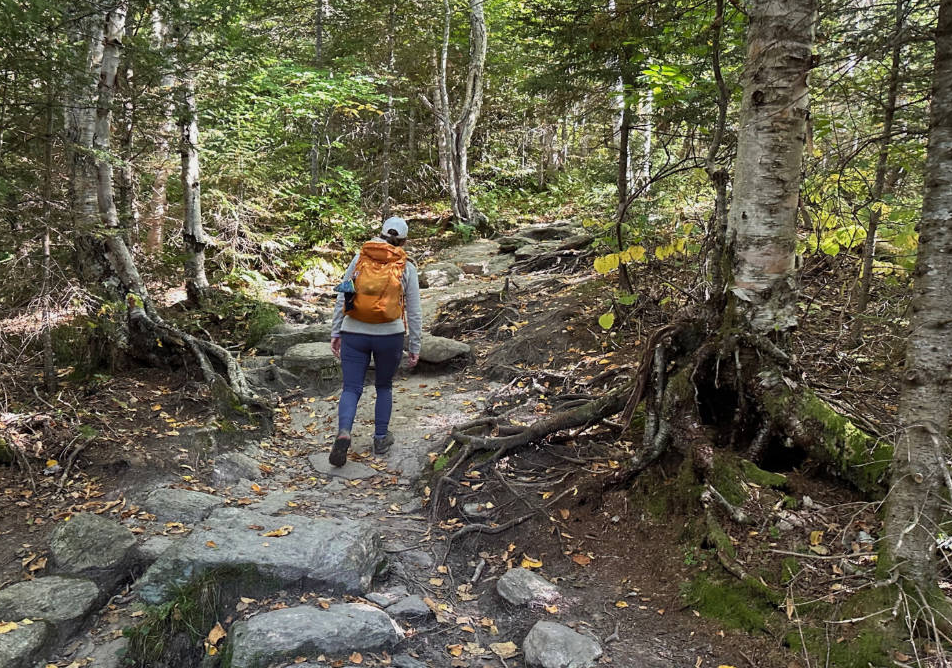
A Simple Guide to Getting Started with Day Hiking
Starting day hiking does not require expensive equipment or a large collection of outdoor gear.
For beginners, the most important goal is not carrying the lightest setup or buying the newest products. It is having enough essential equipment to stay comfortable, handle unexpected situations, and safely return home.
For short hikes on local trails, city parks, and nearby state parks, a simple setup is usually enough.
As hiking experience increases, gear can gradually be upgraded based on:
- Trail length
- Weather conditions
- Terrain difficulty
- Personal comfort needs
A useful way to organize hiking equipment is the 10 Essentials system.
Originally developed in the 1930s, this system remains one of the most practical ways to prepare for outdoor adventures today.
The purpose of the 10 Essentials is simple:
Carry enough equipment to handle basic emergencies without immediately depending on outside help.
Backpack
Choosing Your First Hiking Backpack
A comfortable backpack is the foundation of any hiking setup.
For beginner day hikes, a:
25–30 liter backpack
is usually the ideal size.
It provides enough room for:
- Water
- Snacks
- Extra clothing
- First aid supplies
- Navigation tools
- Emergency gear
A school or work backpack may work for short beginner hikes, but hiking-specific packs provide better comfort.
Look for:
- Padded shoulder straps
- Comfortable back support
- Lightweight design
- Multiple pockets
- Water bottle storage
Popular hiking backpack brands include:
- REI
- Osprey
- Gregory
A properly fitting backpack makes a major difference, especially on longer trails.
1. Navigation
Stay on Route and Know Your Location
Navigation is the first essential because even simple trails can become confusing.
Beginner hikers should carry:
Paper Map
A printed trail map is useful because it:
- Does not require batteries
- Works in poor weather
- Provides a larger view of the area
A good hiking map should show:
- Trail routes
- Trail intersections
- Distance information
- Important landmarks
Timekeeping Device
A watch or phone can help monitor hiking time.
Knowing the time helps prevent:
- Hiking after dark
- Running out of daylight
- Returning later than planned
For more advanced hikes, GPS apps and satellite devices can provide additional safety.
2. Sun and Insect Protection
Protect Your Skin During Every Season
Sun exposure happens even on cloudy days.
Essential protection includes:
Hat
A lightweight hiking hat helps protect:
- Face
- Neck
- Eyes
Sunscreen
Choose sunscreen with strong UV protection.
Another option is sun-protective clothing with:
- UPF 40+
- Breathable fabric
- Long sleeves
Sun hoodies are popular because they provide:
- Head protection
- Neck coverage
- Lightweight comfort
Insect Protection
During warmer months, insects can quickly become a problem.
Recommended:
- Bug spray
- Insect-repellent clothing
- Head net when needed
A small amount of preparation can greatly improve comfort.
3. Insulation and Weather Protection
Prepare for Temperature Changes
Weather can change quickly, even during short hikes.
A beginner hiking kit should include extra clothing based on local conditions.
Common items:
- Lightweight fleece jacket
- Sweater
- Rain jacket
- Warm hat
A rain jacket is especially valuable because rain can cause rapid cooling, even during warm seasons.
Good hiking layers should be:
- Lightweight
- Quick drying
- Easy to pack
Avoid cotton clothing because it absorbs moisture and dries slowly.
4. Lighting
Always Carry a Headlamp
Even short hikes can take longer than expected.
A headlamp provides reliable lighting if:
- The hike runs late
- Weather slows progress
- Navigation becomes difficult
Recommended:
- Rechargeable headlamp
- Around 200 lumens or more
A phone flashlight should not be your main light source because it:
- Drains battery
- Provides limited runtime
- Reduces emergency communication ability
A small backup light can also be useful for longer hikes.
5. First Aid Kit
Basic Medical Supplies
A large medical kit is unnecessary for most beginner day hikes.
A small personal kit should include:
- Bandages
- Medical tape
- Pain relievers
- Allergy medication
- Blister treatment supplies
- Antiseptic wipes
Blisters are one of the most common hiking problems, so carrying blister care supplies is especially important.
A lightweight waterproof pouch keeps supplies organized and protected.
6. Fire Starting Equipment
Simple Tools for Emergency Situations
Most day hikers will never need to start a fire.
However, carrying a basic fire starter is inexpensive and lightweight.
Options:
- Waterproof matches
- Lighter
- Fire starter cubes
Fire-starting tools can be useful for:
- Emergency warmth
- Signal purposes
- Outdoor repairs
They become more important during:
- Cold weather hikes
- Remote routes
- Longer adventures
7. Repair Kit and Tools
Small Gear Problems Can Become Big Problems
A compact repair kit helps solve minor issues on the trail.
Useful items:
- Small knife
- Mini scissors
- Duct tape
- Gear repair tape
- Small multi-tool
Possible uses:
- Repair torn clothing
- Adjust trekking poles
- Fix backpack straps
- Treat blisters
- Cut medical tape
Many hikers wrap several feet of duct tape around a trekking pole or water bottle to save space.
8. Nutrition
Bring Enough Energy
Hiking requires more energy than normal daily activities.
Beginner hikes should include easy-to-eat food.
Good options:
- Energy bars
- Nuts
- Trail mix
- Fruit snacks
- Sandwiches
For hot weather hiking, consider electrolyte supplements.
Sweating causes the body to lose:
- Sodium
- Minerals
- Fluids
Electrolytes can help maintain energy during longer or hotter hikes.
9. Hydration
Carry Enough Water
Water is one of the most important hiking essentials.
For shorter hikes:
- 1–2 liters is usually enough
For longer hikes:
- Carry additional water
- Consider a lightweight filter
Popular backpacking water filters include:
- Sawyer Mini-style filters
- Compact squeeze filters
Natural water sources can reduce the amount carried, but always treat water before drinking.
Remember:
Water is heavy.
One liter weighs about:
2.2 pounds
Planning your water supply carefully helps keep your backpack comfortable.
10. Emergency Shelter
Prepare for Unexpected Delays
Even on a day hike, unexpected situations can happen.
An emergency shelter provides protection if you must stop moving.
Useful options:
- Emergency blanket
- Lightweight emergency bivy
- Small foam sitting pad
An emergency blanket can help retain body heat if:
- You become injured
- Weather changes
- Rescue takes time
A foam pad also provides insulation from cold or wet ground during rest breaks.
Beginner Hiking Gear Checklist
Essential Items
✅ 25–30L backpack
✅ Trail map
✅ Navigation tools
✅ Hat and sunscreen
✅ Bug protection
✅ Extra clothing layer
✅ Rain jacket
✅ Headlamp
✅ First aid kit
✅ Fire starter
✅ Small repair kit
✅ Snacks
✅ Water bottles
✅ Emergency blanket
Final Thoughts
Starting day hiking does not require a garage full of expensive outdoor equipment.
A beginner-friendly hiking setup should focus on:
- Safety
- Comfort
- Weather protection
- Emergency preparation
The 10 Essentials provide a simple framework for choosing the right equipment without unnecessary purchases.
As hiking experience grows, gear can gradually expand based on personal goals and trail difficulty.
The most important step is simple:
Prepare properly, start with manageable trails, and enjoy the outdoors.