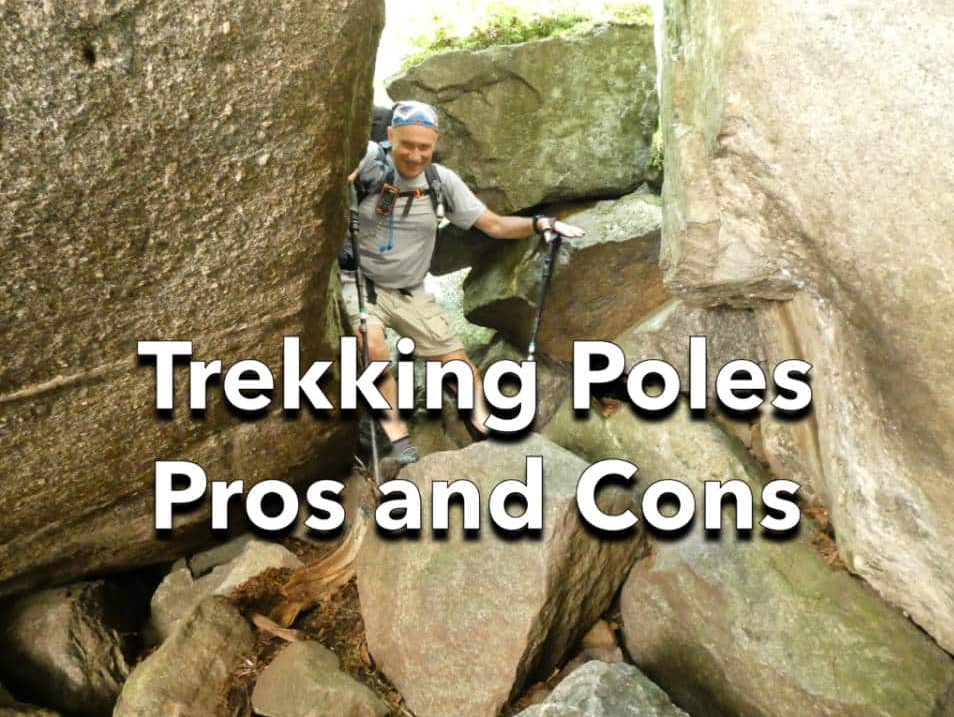
A Complete Guide to Choosing the Right Trekking Poles for Hiking and Backpacking
Trekking poles have become essential equipment for many hikers, backpackers, and outdoor enthusiasts. A good pair of poles can improve balance, reduce stress on joints, and make long days on the trail more comfortable.
However, trekking poles are not perfect for everyone. They add weight, require proper technique, and come in many different styles, materials, and grip designs. Choosing between folding poles, telescoping poles, cork grips, or foam grips can feel overwhelming.
This guide explains the advantages and disadvantages of trekking poles, the differences between major pole designs, and how to choose the best option for your hiking style.
Pros of Trekking Poles
1. Improved Stability and Balance
One of the biggest advantages of trekking poles is the additional stability they provide.
A pair of poles creates two extra points of contact with the ground, helping hikers maintain balance on challenging terrain such as:
- Loose gravel
- Muddy trails
- Rocky sections
- Snow-covered paths
- Stream crossings
They are especially useful when carrying a heavy backpack or hiking on uneven surfaces.
2. Reduced Stress on Joints
Trekking poles can help reduce impact on knees and ankles, especially during steep downhill sections.
By allowing your arms and upper body to share some of the workload, poles can reduce repetitive stress during long-distance hikes.
This can be especially valuable for:
- Older hikers
- Backpackers carrying heavier loads
- People hiking long distances
3. Better Uphill Efficiency and Downhill Control
Trekking poles provide different benefits depending on the direction of travel.
On uphill climbs:
Poles help:
- Push your body forward
- Engage upper-body muscles
- Maintain a steady rhythm
On downhill sections:
Poles act like additional support points, helping you:
- Control your speed
- Reduce impact
- Protect your knees
4. Improved Pacing and Endurance
Using trekking poles creates a consistent hiking rhythm by involving both your arms and legs.
This balanced movement can:
- Spread fatigue across more muscle groups
- Reduce leg exhaustion
- Help maintain a steady pace
For long-distance backpacking, this can make a noticeable difference.
5. Versatility on the Trail
Trekking poles are useful beyond simple walking support.
Many ultralight shelters are designed to use trekking poles instead of traditional tent poles, saving additional pack weight.
They can also serve as:
- Emergency splints
- Snow depth probes
- Water depth testers
- Support when moving through thick vegetation
Cons of Trekking Poles
1. Added Weight and Bulk
Even lightweight trekking poles add extra equipment to your backpack.
Potential drawbacks include:
- More weight to carry
- Additional items to manage
- Difficulty using them during scrambling or climbing
On technical terrain requiring hands, poles often need to be stored away.
2. Possible Overuse Injuries
Trekking poles work best when used correctly.
Poor technique can create unnecessary stress on:
- Wrists
- Hands
- Elbows
- Shoulders
Common mistakes include:
- Holding grips too tightly
- Using incorrect pole length
- Relying too heavily on poles
Proper adjustment and relaxed technique are important.
3. Environmental Impact
Metal pole tips can damage sensitive trail surfaces.
They may:
- Scratch rocks
- Damage vegetation
- Increase erosion on soft trails
Using rubber tip covers can help reduce environmental impact, especially in areas with fragile terrain.
4. Cost
Quality trekking poles are not cheap.
Premium models often use:
- Carbon fiber shafts
- Lightweight materials
- Better locking systems
- Comfortable grips
Budget poles are available, but they may be heavier or less durable.
Types of Trekking Poles
There are two main categories of trekking poles:
- Folding poles
- Telescoping poles
Each has different advantages depending on your hiking style.
Folding Trekking Poles (Z-Poles)


Folding poles use an internal cord system that allows them to collapse into several short sections, similar to collapsible tent poles.
Advantages
Extremely Compact
Most folding poles collapse to around 15 inches or less.
This makes them excellent for:
- Travel
- Day hikes
- Ultralight backpacks
Lightweight
Some folding models weigh less than 10 ounces per pair.
They are popular among:
- Trail runners
- Fast hikers
- Ultralight backpackers
Quick Deployment
They can be assembled quickly when needed and stored easily when not in use.
Disadvantages
Less Durable for Heavy Use
Folding poles generally are not as strong as some telescoping designs.
They may be less suitable for:
- Heavy backpack loads
- Technical terrain
- Mountaineering
Harder Trail Repairs
If the internal cord system fails, repairs can be more difficult in the backcountry.
Popular Folding Models
- Black Diamond Distance Carbon FLZ
- LEKI Khumbu FX TA
- REI Swiftland TT Carbon Folding Trekking Poles
Telescoping Trekking Poles


Telescoping poles use two or three sliding sections that lock together.
They are the most traditional trekking pole design.
Advantages
Adjustable Length
The biggest benefit is flexibility.
You can:
- Shorten poles for climbing
- Lengthen poles for descending
- Adjust for different users
More Field Repair Friendly
Individual sections are usually easier to replace or repair compared with folding systems.
Strong and Reliable
Many backpackers prefer telescoping poles for demanding trips because of their durability.
Disadvantages
Heavier
They usually weigh more than folding poles.
Larger Packed Size
They collapse smaller than fixed poles but usually not as compact as folding models.
Locking Mechanisms Require Maintenance
Over time, locking systems can wear or slip if not properly maintained.
Popular Telescoping Models
- REI Traverse Trekking Poles
- Black Diamond Alpine Carbon Cork
- LEKI Khumbu Lite Trekking Poles
Trekking Pole Grip Types
The grip is one of the most important comfort features because your hands remain in contact with the poles for hours.
The two main materials are:
- Cork
- Foam
Cork Grips
Cork grips are popular among long-distance hikers.
Advantages
Comfortable Over Time
Cork gradually adapts to the shape of your hand.
Good Moisture Management
Cork absorbs sweat well and remains comfortable in changing temperatures.
Reduces Vibration
Natural cork helps reduce vibration when hiking on hard surfaces.
Disadvantages
Slightly Heavier
Cork is usually heavier than foam.
More Expensive
Premium cork grips often increase the cost of trekking poles.
Sensitive to Long-Term Moisture
Repeated exposure to moisture can affect cork durability.
Foam Grips
Foam grips use lightweight synthetic materials.
Advantages
- Very lightweight
- Comfortable in hot weather
- Absorbs sweat effectively
Disadvantages
- Can wear faster than cork
- May feel less supportive during long hikes
Other Grip Features to Consider
Beyond material, consider:
Ergonomic Shapes
Some grips are designed to reduce wrist strain and improve comfort.
Extended Foam Sections
Some poles include foam below the main grip, allowing you to hold lower on steep climbs without changing pole length.
Wrist Straps
Look for straps that are:
- Comfortable
- Easy to adjust
- Supportive without restricting movement
How to Choose Trekking Poles
Consider Your Activity
Fast Hiking or Trail Running
Choose:
- Folding poles
- Lightweight carbon models
Prioritize:
- Low weight
- Compact storage
Backpacking and Rugged Trails
Choose:
- Durable telescoping poles
Prioritize:
- Strength
- Reliability
- Adjustability
Consider Adjustability
Telescoping Poles
Best for:
- Variable terrain
- Multiple users
- Backpacking trips
Folding Poles
Best for:
- Weight savings
- Compact packing
Consider Grip Comfort
For long hiking days:
Cork grips:
- Better moisture control
- More comfortable over time
Foam grips:
- Lighter
- Better for hot conditions
Test Before Buying
If possible, try poles before purchasing.
Check:
- Grip comfort
- Locking mechanism
- Pole length
- Packed size
Correct sizing matters more than choosing a men’s or women’s model. Women’s poles are often shorter because average height differences exist, but the design and function are generally similar.
Final Thoughts
Trekking poles are one of the most useful pieces of hiking equipment for many outdoor adventures.
They can provide:
- Better balance
- Reduced joint stress
- Improved endurance
- More confidence on difficult terrain
The best choice depends on your priorities.
Choose folding poles if you value lightweight performance and compact storage.
Choose telescoping poles if you want durability, adjustability, and reliability for demanding backpacking trips.
For grips, cork offers excellent long-distance comfort, while foam provides lightweight performance and good moisture management.
The right trekking poles should feel like a natural extension of your movement, helping you hike farther with less fatigue.