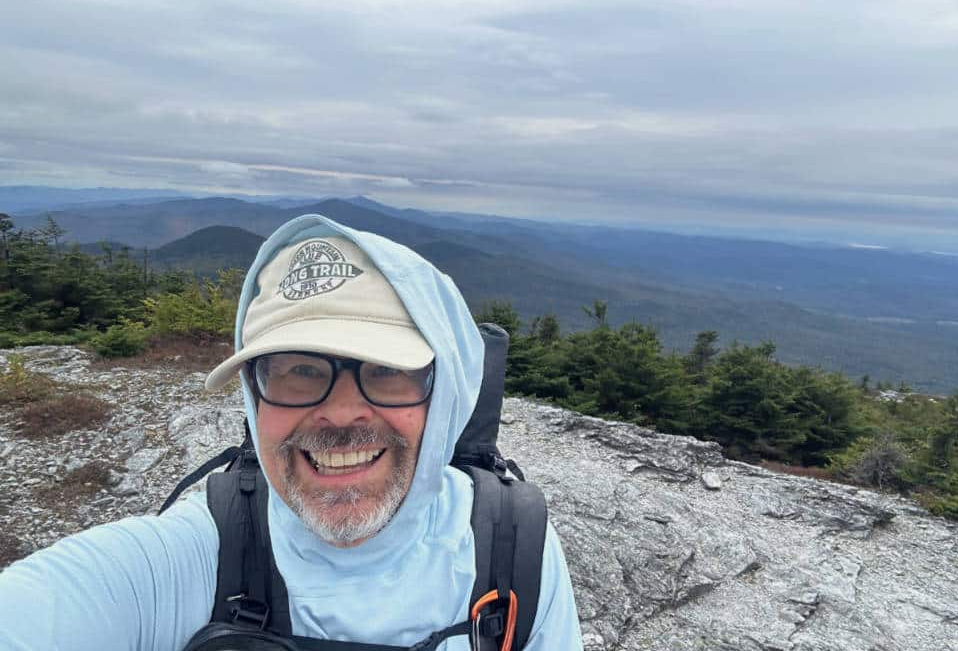
How UPF Clothing Helps Older Hikers Stay Safe on the Trail
Spending time outdoors provides countless benefits, but extended sun exposure can create serious health risks, especially for senior hikers.
As people age, skin becomes thinner and more sensitive, making protection from harmful ultraviolet (UV) radiation increasingly important. While sunscreen remains useful, sun-protective clothing offers a simple and reliable way to reduce UV exposure during long hikes.
Designed with specialized fabrics and measured using Ultraviolet Protection Factor (UPF) ratings, sun-protective clothing helps block UVA and UVB rays while keeping hikers comfortable in warm conditions.
For older hikers who spend significant time outdoors, lightweight UPF clothing can be one of the most practical pieces of trail equipment.
What Is Sun-Protective Clothing?
Sun-protective clothing is designed to reduce the amount of UV radiation that reaches the skin.
Unlike regular clothing, these garments often use:
- Tightly woven fabrics
- Specialized synthetic materials
- UV-resistant treatments
- Designs that provide greater skin coverage
Common sun-protective hiking clothing includes:
- Long-sleeve shirts
- Hiking pants
- Sun hoodies
- Wide-brim hats
- Neck gaiters
- Arm and leg coverings
The goal is simple: create a physical barrier between your skin and the sun.
Understanding UPF Ratings
UPF stands for Ultraviolet Protection Factor.
It measures how much UV radiation can pass through fabric and reach your skin.
| UPF Rating | UV Radiation Passing Through |
|---|---|
| UPF 15 | About 6.7% |
| UPF 30 | About 3.3% |
| UPF 50 | About 2% |
The higher the UPF rating, the greater the protection.
A UPF 50 garment allows only a small amount of UV radiation to pass through, making it a popular choice for hikers spending long hours exposed to direct sunlight.
Generally, clothing rated UPF 30 or higher is considered sun protective.
Why Sun Protection Matters for Senior Hikers
Older hikers often need to pay closer attention to UV protection because several factors increase vulnerability.
Thinner, More Sensitive Skin
With age, skin naturally becomes thinner and loses some of its protective ability.
This can make older adults more likely to experience:
- Sunburn
- Skin damage
- Irritation from prolonged exposure
Increased Skin Cancer Risk
Years of outdoor activity create cumulative UV exposure.
Long-term sun exposure is associated with increased risk of skin cancers, including:
- Basal cell carcinoma
- Melanoma
Reducing UV exposure during hiking can help lower unnecessary risk.
Medication Sensitivity
Some medications can increase sensitivity to sunlight.
Certain:
- Antibiotics
- Blood pressure medications
- Other common prescriptions
may make skin react more strongly to UV exposure.
Hikers taking regular medications should check whether sun sensitivity is a possible side effect.
More Practical Than Sunscreen Alone
Sunscreen is useful, but long hikes create challenges:
- Sweat reduces effectiveness
- Reapplication can be forgotten
- Large areas require frequent coverage
Sun-protective clothing provides continuous coverage without repeated application.
Factors That Improve Sun Protection
Several clothing characteristics influence how well fabric blocks UV rays.
Tight Fabric Weave
Closely woven fabrics allow less UV radiation to pass through.
Synthetic Materials
Materials such as:
- Polyester
- Nylon
usually provide better UV protection than natural fabrics like cotton or linen.
Darker Colors
Dark or bright colors typically absorb more UV radiation than light colors.
However, fabric construction and UPF rating are more important than color alone.
UV Treatments
Some fabrics receive additional UV-resistant treatments to increase protection.
These treatments can improve UPF performance.
Loose Fit
Loose clothing helps maintain protection because stretched fabric becomes thinner and allows more UV exposure.
Layering
Multiple layers create additional barriers and reduce the amount of sunlight reaching the skin.
Factors That Reduce UPF Protection
Even sun-protective clothing can lose effectiveness under certain conditions.
Loose Weave Fabrics
Thin or open fabrics allow more UV rays through.
Light-Colored Clothing
White and pastel fabrics generally provide less UV protection compared with darker colors.
Wet Fabric
Water can reduce the protective ability of some fabrics.
For example, wet cotton clothing may allow more UV radiation through than when dry.
Stretching
When fabric stretches tightly over the body, the weave becomes less dense and protection decreases.
Wear and Washing
Repeated:
- Washing
- Abrasion
- Fabric thinning
can gradually reduce UV protection.
How to Choose Sun-Protective Hiking Clothing
When selecting hiking clothing for sun protection, consider:
Look for UPF Ratings
Choose clothing labeled:
- UPF 30+
- UPF 50+
Higher ratings provide better protection during long outdoor exposure.
Prioritize Coverage
Effective sun protection usually includes:
- Long sleeves
- Long pants
- Wide-brim hats
- Neck coverage
Choose Breathable Materials
Good hiking sun clothing should be:
- Lightweight
- Moisture-wicking
- Quick drying
- Comfortable in heat
Consider Durability
Quality sun clothing should maintain performance after repeated washing and outdoor use.
Recommended Sun-Protective Hiking Gear
Sun Shirts
REI Sahara Long Sleeve Shirt (UPF 50)
Why it works:
- Lightweight construction
- Breathable fabric
- Moisture management
- Relaxed fit
Features include:
- Roll-up sleeves
- Mesh ventilation panels
- Chest pockets
Suitable for both men and women.
The North Face L/S Lightrange Shirt (UPF 40)
Highlights:
- Lightweight fabric
- Odor control technology
- Comfortable relaxed fit
A good option for hikers wanting everyday trail versatility.
Sun-Protective Hiking Pants
REI Co-op Sahara Convertible Pants (UPF 50+)
Why it works:
- Converts from pants to shorts
- Lightweight nylon fabric
- Quick drying
Useful for changing temperatures and variable trail conditions.
Columbia Saturday Trail Pant (UPF 50)
Highlights:
- Stretch fabric
- Comfortable movement
- Stain and water resistance
- Roll-up leg design
Designed for active hiking comfort.
Sun Hoodies
REI Sahara Shade Hoodie (UPF 50+)
Features:
- Soft lightweight fabric
- Full hood coverage
- Thumb holes for hand protection
- Relaxed fit
A popular choice for exposed mountain trails.
Cotopaxi Sombra Sun Hoodie (UPF 50+)
Benefits:
- Lightweight polyester
- Moisture-wicking design
- Hood coverage
- Thumb holes
Provides excellent coverage at a reasonable weight.
Sun Hats
Sunday Afternoons Adventure Hat (UPF 50+)
Features:
- Wide brim
- Neck protection
- Adjustable fit
- Lightweight design
Ideal for long days outdoors.
Columbia Bora Bora Booney Hat (UPF 50)
Highlights:
- Wide brim protection
- Ventilation panels
- Adjustable sizing
- Sweatband comfort
A practical option for hiking in sunny environments.
Additional Sun Protection Tips
Wear UV-Protective Sunglasses
Choose sunglasses labeled:
- 100% UV protection
- UV400
Protecting your eyes helps reduce exposure that can contribute to eye damage.
Use Sunscreen on Exposed Areas
Even with protective clothing, apply broad-spectrum sunscreen to areas such as:
- Face
- Hands
- Ears
- Neck
SPF 30 or higher is recommended.
Reapply During Long Hikes
Sweating and water exposure can reduce sunscreen effectiveness.
Reapply when necessary, especially during extended outdoor activities.
Plan Hiking Times
When possible:
- Start early
- Avoid peak midday sun
- Seek shade during intense sunlight
Final Verdict
Sun-protective clothing is one of the easiest and most effective ways for senior hikers to reduce UV exposure while enjoying the outdoors.
A combination of UPF-rated shirts, lightweight pants, sun hats, and proper layering provides reliable protection without relying only on sunscreen.
For older hikers, investing in comfortable sun-protective gear can make long days on the trail safer, cooler, and more enjoyable.
With the right clothing choices, hikers can continue exploring the outdoors while protecting their skin from long-term sun damage.