Are Extra Sleep Clothes Worth the Weight on the Trail?
When packing for a backpacking trip, every ounce matters. Many hikers wonder whether carrying a separate set of sleeping clothes is worth the additional weight, especially for lightweight and ultralight trips.
While some backpackers choose to sleep in their hiking clothes or go without dedicated sleepwear, bringing a lightweight sleep system can provide important benefits beyond comfort.
A clean set of sleeping clothes can improve sleep quality, protect your sleeping bag or quilt, provide extra warmth, and serve as backup clothing when conditions become wet or cold.
For most multi-day backpacking trips, a lightweight sleep outfit is one of the few extra items that can be worth carrying.
Why Carry Separate Sleeping Clothes?
The main reason many backpackers bring dedicated sleep clothes is simple: comfort.
After hiking all day, your clothing collects:
- Sweat
- Salt
- Dirt
- Body oils
- Sunscreen
- Insect repellent
Changing into clean clothes at camp creates a noticeable improvement in comfort and helps you feel refreshed before sleeping.
A separate sleep outfit also provides practical backup value.
It can be used as:
- An additional insulation layer in cold weather
- Emergency dry clothing if hiking clothes become soaked
- A cleaner layer for camp activities
For many hikers, the small weight penalty provides multiple benefits.
What Sleeping Clothes Should You Pack?
A simple backpacking sleep clothing system usually includes lightweight layers.
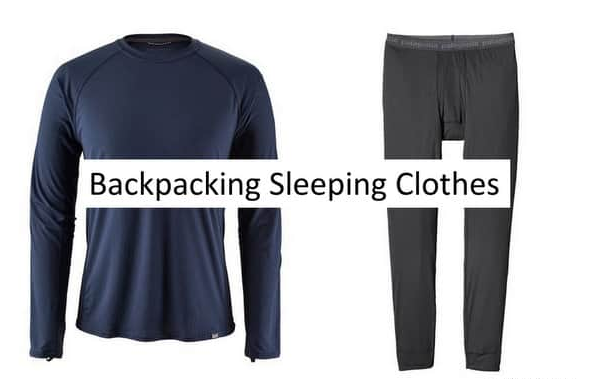
Base Layer Shirt
Choose based on conditions:
- Lightweight short sleeve shirt for warm weather
- Long sleeve shirt for cooler temperatures
A long sleeve base layer can also provide additional warmth inside a sleeping bag or quilt.
Long Underwear Bottoms
Lightweight bottoms work well for three-season backpacking.
For colder trips, choose warmer versions with more insulation.
Benefits include:
- Added sleeping warmth
- Comfortable camp clothing
- Backup layering option
Dedicated Sleeping Socks
A separate pair of socks is one of the most useful sleep items.
Night socks help:
- Keep feet warmer
- Improve sleeping comfort
- Reduce moisture buildup
Many backpackers prefer wool socks because they resist odor better after repeated use.
Warm Hat or Beanie
A lightweight fleece hat or insulated beanie can make a major difference on cold nights.
This is especially useful when using:
- Hoodless sleeping bags
- Backpacking quilts
- Hammock systems
Should Sleeping Clothes Be Wool or Synthetic?
Both wool and synthetic materials can work well for backpacking sleep clothing.
The most important qualities are:
- Lightweight
- Quick drying
- Comfortable against skin
- Durable
Synthetic Fabrics
Advantages:
- Lightweight
- Fast drying
- Easy to wash
- Durable
Synthetic base layers are popular because they maintain performance and require little maintenance.
Wool Fabrics
Advantages:
- Better odor resistance
- Comfortable temperature regulation
- Performs well over multiple days
Merino wool is especially popular among backpackers who want clothing that can be worn repeatedly.
Avoid Cotton
Cotton is generally not recommended for backpacking because it absorbs moisture and dries slowly.
The exception is very dry environments where wet clothing can dry quickly.
For most hiking conditions, synthetic or wool materials are safer choices.
Psychological Benefits of Sleep Clothing
The value of sleeping clothes is not only physical.
Changing out of dirty hiking clothes creates a mental transition from hiking mode to rest mode.
Many hikers find that putting on clean sleep clothes:
- Helps them relax
- Signals the end of the day
- Improves bedtime comfort
This simple routine can make sleeping outdoors feel more comfortable and familiar.
Sleep Clothes Help Protect Your Sleeping Bag
Your sleeping bag or quilt is one of the most important pieces of backpacking equipment.
Sweat, dirt, sunscreen, and oils from your skin can accumulate inside sleeping insulation over time.
Wearing dedicated sleeping clothes helps reduce:
- Dirt buildup
- Odor
- Frequent washing needs
Keeping your sleeping bag cleaner can help maintain its performance and extend its lifespan.
Sleeping Clothes Add Warmth
Sleeping clothes provide additional insulation inside your sleep system.
Sleeping bag temperature ratings are generally based on wearing:
- Long underwear top
- Long underwear bottom
- Insulated hat
Adding lightweight layers can help cold sleepers stay comfortable during colder nights.
For hikers who often feel cold while sleeping, dedicated sleep clothing can provide a significant comfort improvement without carrying a heavier sleeping bag.
What About Sleeping Naked?
Some backpackers prefer sleeping without clothes, especially in warm conditions.
There is nothing wrong with this approach, but carrying a lightweight backup sleep layer can still be useful.
Even if you sleep without clothing, a lightweight base layer can provide:
- Emergency warmth
- Extra insulation
- Dry clothing after rain
- Backup camp wear
For many hikers, the versatility makes the small weight addition worthwhile.
Recommended Backpacking Sleep Clothing Setup
A practical three-season sleep system:
| Item | Purpose |
|---|---|
| Lightweight long sleeve shirt | Sleep warmth and backup layer |
| Lightweight base layer bottoms | Comfort and insulation |
| Dedicated wool socks | Warm feet |
| Fleece beanie | Extra warmth |
This setup provides comfort without adding unnecessary weight.
When Should You Skip Sleeping Clothes?
There are situations where leaving sleep clothes behind may make sense:
- Very short overnight trips
- Extremely warm climates
- Minimalist fastpacking
- Trips where every gram matters
However, for most multi-day backpacking trips, the benefits usually outweigh the small weight increase.
Final Verdict
Carrying dedicated sleeping clothes is one of the most practical comfort upgrades for backpacking.
A lightweight sleep outfit helps you feel cleaner after a long hiking day, protects your sleeping bag, adds warmth, and provides valuable backup clothing when conditions change.
The best approach is not to pack extra everyday clothing, but to choose a small multi-purpose sleep system that works both at night and in emergencies.
For most backpackers, a lightweight base layer shirt, bottoms, socks, and a warm hat are well worth the few extra ounces.