How to Use Permethrin Safely for Tick and Mosquito Protection While Camping
Permethrin is widely used by hikers and backpackers to protect against insects such as ticks and mosquitoes. It can be an effective tool for reducing exposure to disease-carrying ticks, including those associated with Lyme disease.
However, treating a tent with Permethrin requires careful consideration. The type of fabric being treated, the formula used, and where the product is applied all affect both effectiveness and gear safety.
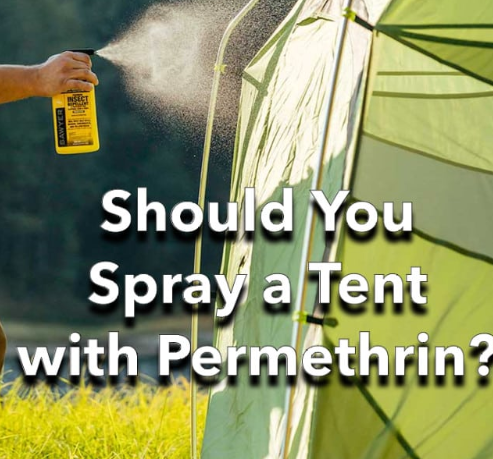
Should You Spray Your Tent with Permethrin?
If you decide to treat your tent, the best area to apply Permethrin is the inner tent fabric or insect mesh, not the rain fly.
The reason is simple:
- Rain flies are designed to repel water
- Waterproof coatings prevent Permethrin from absorbing into the fabric
- Sun exposure quickly breaks down Permethrin
Because the rain fly receives direct ultraviolet exposure, any Permethrin applied to it will degrade faster and provide limited long-term protection.
For better results, focus treatment on areas where insects contact your body, such as:
- Inner tent walls
- Mesh doors
- Bug netting
Avoid Petroleum-Based Permethrin Formulas
Not all Permethrin products are suitable for tents or outdoor clothing.
When treating synthetic fabrics, choose water-based Permethrin products.
Avoid formulas containing petroleum distillates because they may:
- Damage waterproof coatings
- Affect synthetic materials
- Leave strong odors
- Cause skin irritation when used on clothing
If you are unsure whether a product is safe for your tent, check the label or contact the tent manufacturer before applying it.
Choosing the Right Permethrin Product
Many Permethrin products are designed for agricultural use rather than outdoor clothing or camping gear.
Products sold for livestock applications may contain petroleum distillates and are not necessarily appropriate for:
- Tents
- Backpacking clothing
- Personal outdoor equipment
Always check the ingredients and safety information before use.
Water-based options are generally preferred for outdoor gear applications.
Permethrin and Tent Waterproofing
One common concern is whether Permethrin can damage a tent.
The biggest risk comes from using the wrong formulation.
Avoid products containing petroleum-based solvents because they may affect:
- Waterproof coatings
- Synthetic tent materials
- Fabric treatments
For treated areas:
✅ Use water-based formulas
✅ Apply only to appropriate fabric sections
✅ Test a small hidden area first if unsure
Clothing Treatment Is More Important Than Tent Treatment
While treating parts of your tent can provide additional protection, clothing treatment is often more valuable.
Ticks usually attach when hikers move through:
- Tall grass
- Forest vegetation
- Leaf litter
- Brush
They typically reach clothing and footwear before entering a shelter.
Treating hiking clothing with Permethrin can provide longer-lasting protection.
According to usage guidelines, properly treated clothing can remain effective through multiple wash cycles.
Another option is professionally treated clothing, which can last significantly longer than home applications.
How to Use Permethrin More Effectively
For backpackers, a practical protection strategy includes:
Treat Clothing First
Focus on:
- Hiking pants
- Socks
- Shirts
- Jackets
- Gaiters
These areas have the highest chance of contacting ticks.
Treat Tent Mesh If Needed
If camping in areas with heavy mosquito or tick activity:
Consider treating:
- Inner mesh panels
- Tent doors
- Bug netting
Avoid prioritizing the rain fly.
Combine With Other Protection Methods
Permethrin works best as part of a broader insect protection system:
- Wear appropriate clothing
- Check for ticks after hiking
- Use insect repellent on exposed skin when needed
- Keep tent doors closed
Common Questions
Does Permethrin Last Forever on a Tent?
No.
Permethrin breaks down when exposed to ultraviolet light, meaning areas exposed to sunlight may lose effectiveness over time.
Can You Use Any Permethrin Product?
No.
Always check the ingredients.
Some agricultural Permethrin products are not designed for use on clothing or camping equipment.
Should You Treat the Rain Fly?
Generally, no.
The waterproof surface prevents absorption, and sunlight can quickly degrade the treatment.
Final Verdict
Spraying a tent with Permethrin can provide additional insect protection, but it should be done carefully.
The most effective approach is treating the inner tent mesh and insect netting with a suitable water-based Permethrin product rather than spraying the waterproof rain fly.
For most hikers and backpackers, treating clothing and footwear provides greater protection because ticks usually attach before you reach camp.
Used correctly, Permethrin can be a valuable addition to a backcountry insect protection strategy, especially in areas with heavy mosquito and tick activity.