How to Build a Lighter Backpack Without Sacrificing Safety
Reducing backpack weight is one of the best ways to make hiking and backpacking more enjoyable. A lighter pack means less fatigue, easier climbs, faster movement, and more energy at the end of a long day on the trail.
However, becoming an ultralight backpacker is not about removing everything from your pack. It is about making smarter choices, eliminating unnecessary weight, and choosing equipment that provides the best balance between comfort, safety, and efficiency.
Here are 15 practical ways to reduce backpacking gear weight.
1. Choose Lightweight Gear
The biggest weight savings usually come from upgrading the heaviest items in your backpack, often called the Big Four:
- Shelter
- Backpack
- Sleep system
- Sleeping pad
These items usually account for a large portion of your total pack weight.
Examples of weight-saving changes:
- Replace a heavy sleeping bag with a lightweight quilt
- Use a tarp instead of a traditional tent
- Choose a lighter backpack
- Replace a bulky inflatable pad with a lightweight foam pad
Small reductions in these major categories can remove several pounds from your load.
2. Pack Only the Clothes You Need
Clothing is one of the most commonly overpacked categories.
Many hikers carry extra outfits “just in case,” but most backpacking trips only require a small, carefully selected clothing system.
Focus on:
- Lightweight materials
- Quick-drying fabrics
- Weather-appropriate layers
A simple clothing setup might include:
- Hiking shirt
- Hiking pants or shorts
- Rain layer
- Warm insulation layer
- Sleeping clothes
Instead of carrying multiple changes of clothing, plan to rinse and dry items during your trip when conditions allow.
3. Choose Multi-Use Gear
Every item in your backpack should have a purpose, and the best gear often serves multiple functions.
Examples:
- A cooking pot can also serve as a bowl
- A buff can work as a hat, towel, or pot holder
- Trekking poles can support your shelter
- A rain jacket can serve as wind protection
Multi-use equipment reduces duplication and helps keep your pack simple.
4. Minimize Toiletries and Hygiene Items
Personal care products can add unnecessary weight.
Instead of carrying full-size containers:
- Repackage sunscreen and insect repellent
- Use small containers
- Carry only the amount needed
- Choose solid soap instead of liquid products
Heavy creams, extra cosmetics, and large hygiene kits quickly add ounces that are rarely necessary on the trail.
Backpacking requires practicality, not a full bathroom setup.
5. Plan Your Food Carefully
Food weight can add up quickly, especially on longer trips.
Choose meals that provide high calories while keeping weight low:
- Freeze-dried meals
- Dehydrated foods
- Lightweight snacks
- High-calorie energy foods
Avoid:
- Canned food
- Heavy packaging
- Excess portions
Before leaving, measure your meals carefully so you only carry what you will actually eat.
6. Carry Only Essential Electronics
Electronics are convenient but can become surprisingly heavy.
A lightweight backpacking electronics setup often includes:
- Smartphone
- Small power bank
Consider leaving behind:
- Heavy cameras
- Multiple charging devices
- Unnecessary gadgets
Every electronic item also requires additional batteries, cables, or accessories.
7. Reduce Water Weight Through Planning
Water is one of the heaviest items in your backpack.
One liter of water weighs about 2.2 pounds (1 kg).
Instead of carrying large amounts of water:
- Research water sources before your trip
- Plan refill points
- Carry a lightweight filter or purification tablets
Smart water planning can remove several pounds from your pack.
8. Reduce Bulk With Lightweight Storage Solutions
Compression sacks and stuff sacks can help organize your backpack and reduce wasted space.
However, the storage equipment itself also has weight.
Consider replacing heavy storage bags with lighter alternatives such as:
- Dyneema DCF stuff sacks
- Lightweight compression bags
A smaller and lighter packing system makes it easier to use a lighter backpack.
9. Reduce Paper and Books
Traditional guidebooks and extra reading material add unnecessary weight.
Instead:
- Use digital maps and guides
- Save important information on your phone
- Take photos of key pages
Paper maps remain valuable for navigation, but unnecessary pages and covers can often be removed before a trip.
For journaling, consider using a phone app instead of carrying a notebook.
10. Share Group Gear
When hiking with others, avoid carrying duplicate equipment.
Groups can share:
- Tent
- Stove
- Cooking equipment
- Water filter
- Repair supplies
Distributing shared gear allows everyone to carry a lighter load.
11. Remove Packaging Before Your Trip
Food and equipment packaging often creates unnecessary bulk.
Before leaving:
- Remove cardboard boxes
- Repackage meals
- Transfer food into lightweight bags
- Remove unnecessary labels and wrappers
This reduces both weight and pack clutter.
12. Carry Only One Pair of Footwear
Extra footwear is a common luxury item that adds weight.
Many backpackers bring camp shoes, sandals, or recovery footwear, but these can often be unnecessary.
A lightweight pair of quick-drying trail shoes may be enough for:
- Hiking
- Camp use
- Water crossings
For example, lightweight sandals or recovery shoes can add several ounces without providing essential benefits.
13. Avoid Excess Tools and Accessories
Small items can quietly increase pack weight.
Before packing, question every tool:
Do you really need it?
Common unnecessary items include:
- Oversized knives
- Extra gadgets
- Duplicate repair items
- Backup equipment
Carry essential safety equipment, but avoid packing items only because they might be useful someday.
14. Weigh Your Gear
A digital scale is one of the most useful tools for reducing pack weight.
By weighing individual items, you can identify:
- Heavy equipment
- Replacement opportunities
- Unnecessary items
However, ultralight backpacking is not about removing every comfort.
Keep items that provide:
- Safety
- Warmth
- Comfort
- Convenience
The goal is a lighter pack, not an uncomfortable experience.
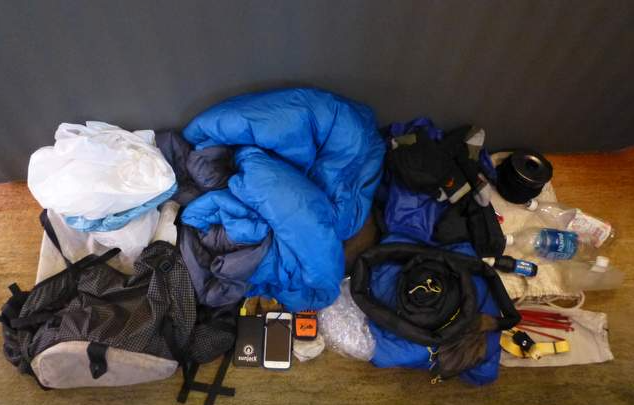
15. Review Your Pack Before Every Trip
Your ideal gear list changes depending on:
- Weather
- Season
- Location
- Trip length
Before each hike:
- Empty your backpack
- Review every item
- Remove anything unnecessary
- Adjust your setup for the specific trip
Experience teaches you what equipment you truly use and what stays untouched.
Final Thoughts
Reducing backpacking gear weight is about making intentional decisions.
The biggest improvements usually come from:
- Choosing lighter major gear
- Carrying fewer clothes
- Using multi-purpose equipment
- Planning food and water carefully
- Reducing unnecessary accessories
- Regularly reviewing your pack
A lighter backpack allows you to hike farther, move more comfortably, and enjoy the outdoors with less physical strain.
Ultralight backpacking is not about carrying the least possible weight—it is about carrying exactly what you need and leaving behind what you do not.